In sub-Saharan Africa…
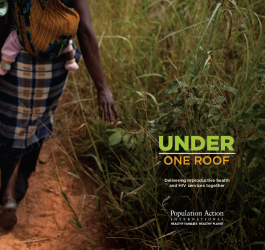
The lines start forming as early as 4 am. Women come on foot, or on buses, some with babies strapped to their backs or toting toddlers by the hand. They may travel for hours just to reach a health center, or wait all day to receive care. They miss work, and spend time away from their families.
And most of them don’t even get everything they need. When it comes to HIV and reproductive health services, it’s rare that a woman can find both in the same place.
In Sub-Saharan Africa, more than 22 million people are living with HIV.And 53 million women in this region want to avoid pregnancy but cannot access contraception . People seeking reproductive health and HIV/AIDS services share common needs and concerns. Among these is access to family planning. Voluntary contraception is an essential HIV prevention tool because it reduces unintended pregnancies among women living with HIV. Despite this knowledge, contraceptives are not widely available in HIV/AIDS settings and obstacles remain for those who wish to access them.
The following stories reveal the challenges people in Kenya, Tanzania and Zambia encounter in getting the care they need, when they need it. Some of these individuals travel long distances and spend hours waiting for services that are not routinely offered together. Others face stigma based on their HIV status. Young people face discrimination based on age. Some of these individuals are able to overcome these hurdles, others are not.
But there is a solution.
Integrating reproductive health and HIV/AIDS services—providing both services under one roof—enables providers to comprehensively and holistically address the needs of their clients. Delivering these services together is central to saving lives by ensuring universal access to reproductive health and HIV prevention, treatment, care and support.
- Share Image
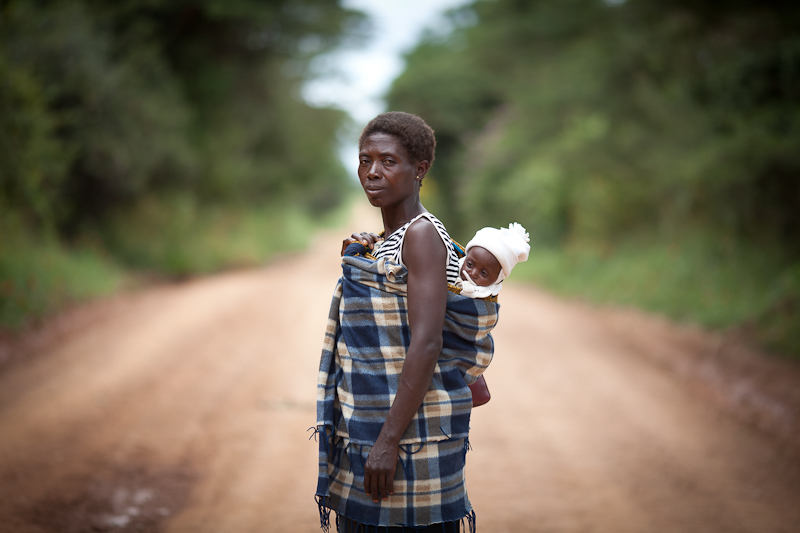 Catherine Mwale, Zambia
 - Share Image
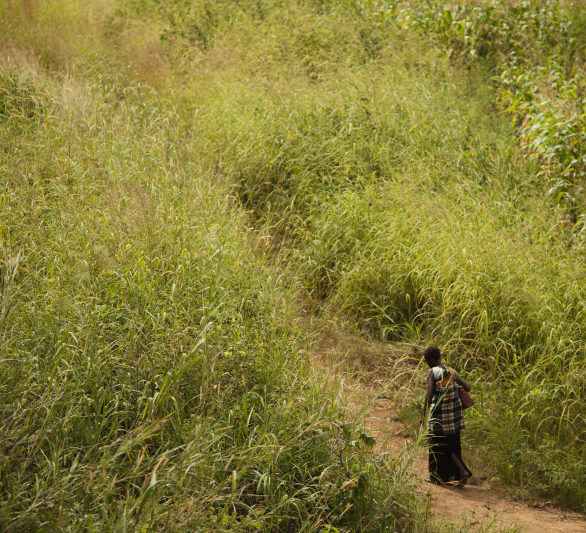 Catherine Mwale, Zambia
She set out in the dark at 5 a.m. The health center is a three-hour walk from her village.
– Catherine Mwale, Zambia
- Share Image
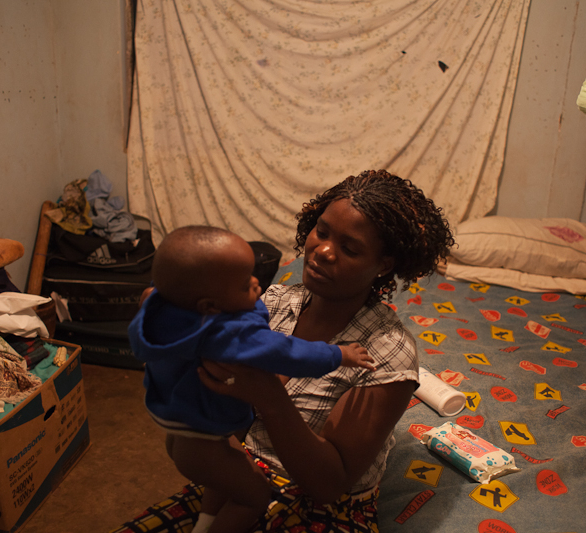 After facing both HIV infection and an unplanned pregnancy at 16 Esnart Mwila has lived with HIV for half of her 32 years.
“They tried to convince me, but I stood my ground. I said, ‘No, I know what I’m doing,’”
-Esnart Mwila, Zambia
- Share Image
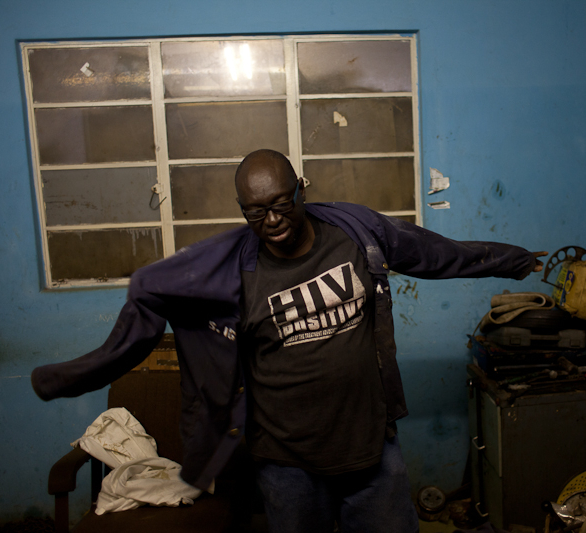 Esnart’s husband of seven years, Ablos, is also HIV-positive, and they have supported each other in carefully planning their family.
The benefits … from family planning are far better than just getting to bear children for the sake of it. One has to look and say, “How much resources do I have?”
-Ablos Jere, Zambia
- Share Image
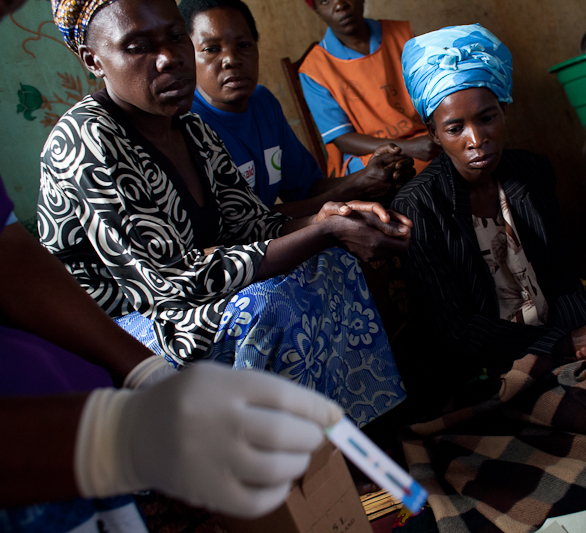 Tuberculosis patient Gertrude Chirwa looks expectantly at Evelyn Mwamsa, a counselor from the Community-Based Tuberculosis and HIV Organization who has come to Gertrude’s home to provide TB treatment and test her for HIV
“If I test positive, can you give me the drugs now?”
Propped up on the floor of her home, tuberculosis patient Gertrude Chirwa looks expectantly at Evelyn Mwamsa, a counselor from the Community-Based Tuberculosis and HIV Organization (CBTO).
Though Evelyn and her team have come to Gertrude’s home to provide TB treatment and test her for HIV, they have no antiretroviral drugs. If Gertrude tests positive, she will have to go to Chelstone Health Center, about 5 kilometers away, for follow-up care.
Gertrude says she is weak from the TB, and she doesn’t have money for transport. But she agrees to take the test. Her cousin, Joyce, and 26-year-old daughter, Spiwe, also ask to be tested.
———
For a long time, Getrude stares at the three plastic test strips on the floor. Two strips, Gertrude’s and Joyce’s, are reactive. Spiwe’s is negative. Gertrude’s eyes remain fixed there, as a second test confirms that she is HIV-positive. The tests are thrown away. She barely looks up.
Evelyn tells Spiwe to use condoms to protect herself, and to go to the health center in three months to test again. She tells Gertrude and Joyce that they must use condoms 100 percent of the time to avoid reinfection or further spread of HIV.
But she doesn’t give condoms to any of the women. She doesn’t have any.
Instead, Gertude and Joyce get a yellow slip to take to Chelstone in order to get further testing and determine whether they need to start antiretroviral treatment. They must go in the next two days. It’s not clear how Gertrude, who can barely stand without help, will get there.
- Share Image
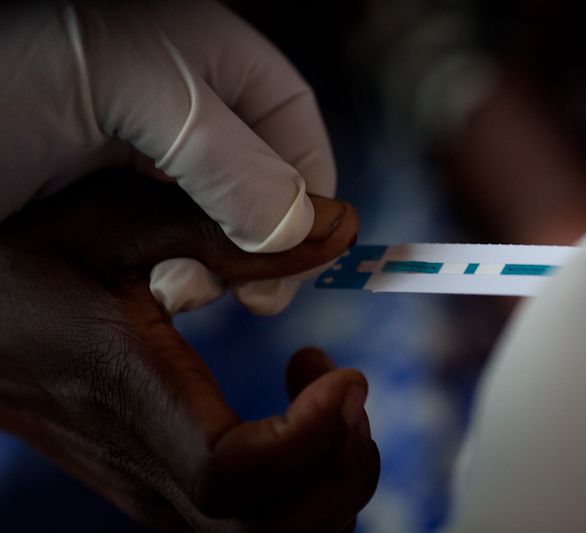 Though Evelyn and her team have come to Gertrude’s home to provide TB treatment and test her for HIV, they have no antiretroviral drugs. If Gertrude tests positive, she will have to go to Chelstone Health Center, about 5 kilometers away, for follow-up care.
She doesn’t give condoms to any of the women. She doesn’t have any.
- Share Image
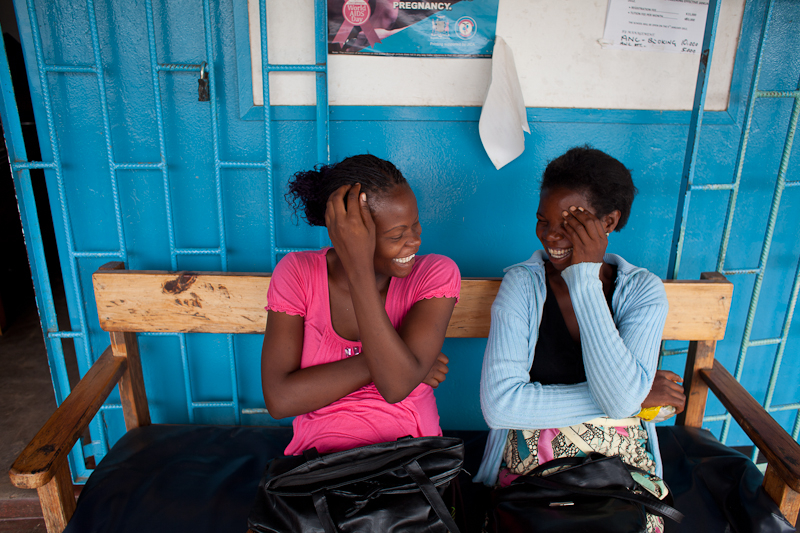 Bwafwano, which means “helping one another” in Bemba, is an integrated clinic offering HIV treatment, family planning, early childhood care and more.
 - Share Image
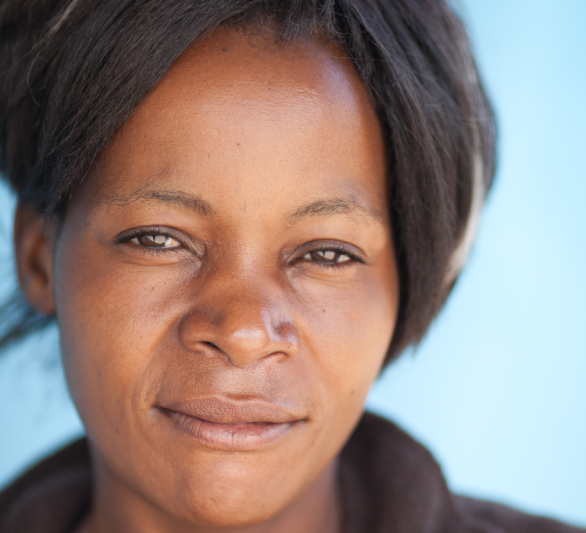 Violet receives HIV treatment, family planning , counseling and testing, at Bwafwano Clinic. Her children also come here for school.
“We would have died if we were not accessing the health services here.”
-Violet Zulu, Client at Bwafwano
- Share Image
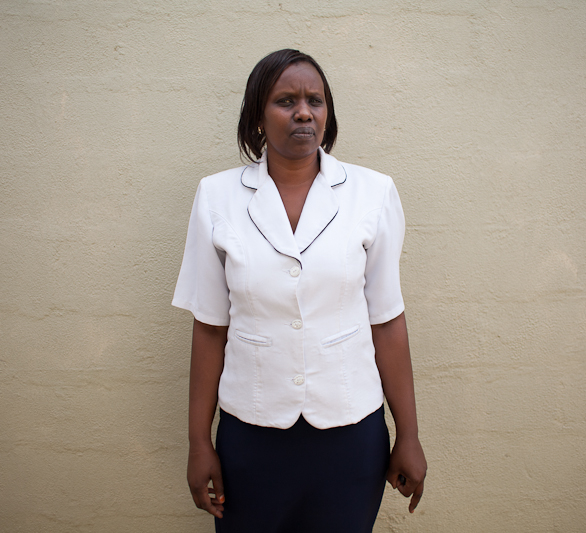 Alice Barasa, senior nursing officer, Comprehensive Care Center at Rift Valley Provincial General Hospital
“When we were starting integration we feared it would be an additional job for us. But with time, we adopted it and felt like it is good because we are giving the clients all the services in the same place.”
Alice Barasa, Senior Nursing Officer
- Share Image
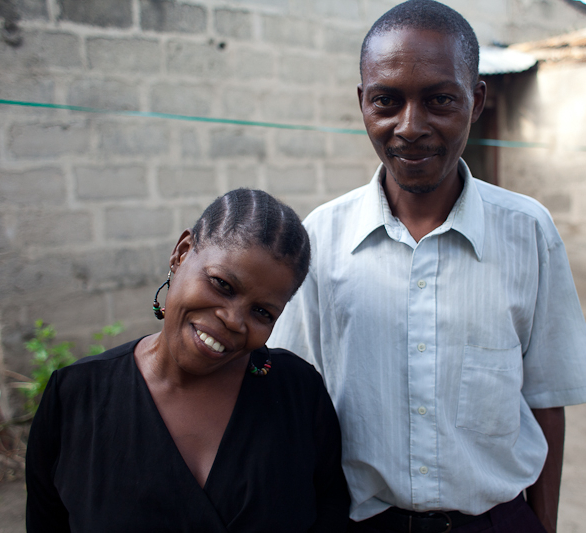 Betina Chongombe & John Mushi, Tanzania
“I feel good. Knowing my status has given me peace of mind.”
-Betina Chongombe & John Mushi, Tanzania
- Share Image
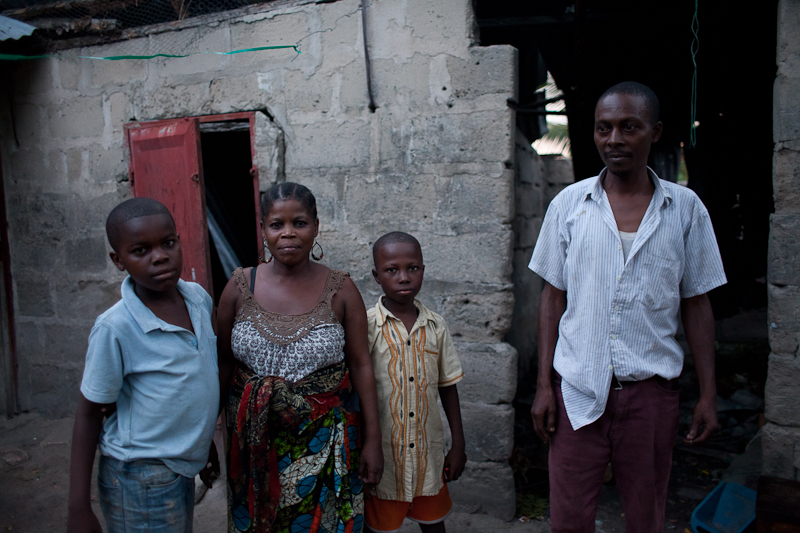 Betina picks up her contraceptives from the Infectious Disease Centre in Dar, an integrated hospital where she and John also get their HIV treatment every three months.
 - Share Image
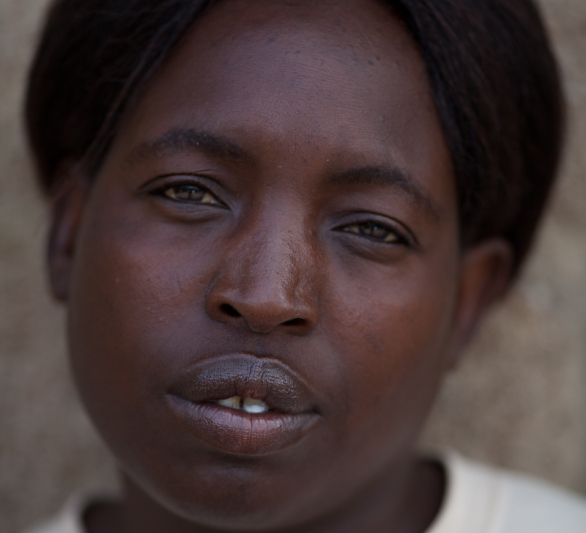 Naomi Daka, Zambia
“We do not need to have a lot of children, but have the ones we can manage to support.”
-Naomi Daka, Zambia
- Share Image
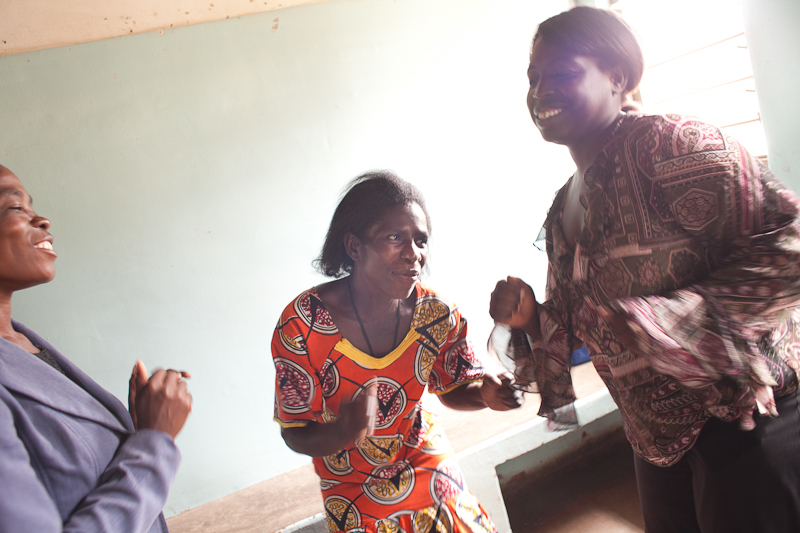 When Naomi was first diagnosed with HIV, she thought her life was over. But through counseling and the support of other women like her, she has learned not only to live with the disease, but to have two healthy, HIV-negative children since her diagnosis.
 - Share Image
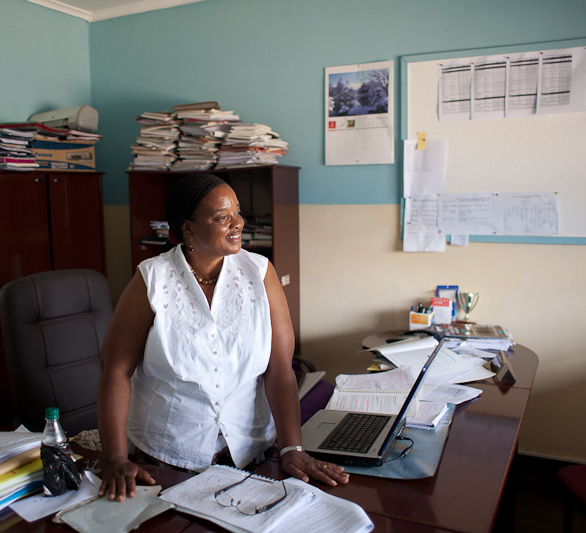 Beatrice Chola, Zambia
“When you are dealing with an HIV patient, all services should be in one center. One-stop shop.”
-Beatrice Chola, Zambia
- Share Image
CALL TO ACTION
The rationale for integrating family planning/reproductive health and HIV services is irrefutable, yet policy and programmatic barriers persist. Separate funding channels for family planning/ reproductive health and HIV/AIDS, failure to implement existing policies and strategies, and routine shortages and stock-outs of contraceptives are a few of the obstacles to meaningful integration on the ground.
Donors
• Provide robust and flexible funding for both family planning, reproductive health, and HIV/AIDS programs
• Align assistance with national policies and strategies to expand access to family planning, reproductive health and HIV services
National Government
• Ensure HIV/AIDS and family planning/ reproductive health policymaking bodies are linked in program, funding and strategy decisions
• Foster high-quality services and increase health workforce capacity to deliver integrated services through in-service training and supportive supervision
• Secure continuous supply of reproductive health and HIV commodities, including a full range of contraceptive methods within prevention of mother-to-child transmission (PMTCT) programs
Civil Society
• Hold governments accountable for implementing policy, and allocating and spending funding necessary for family planning/reproductive health and HIV integration
• Facilitate the engagement of women and youth living with and at risk of HIV in policy decisions and implementation
Individuals
• Tell your elected officials that you care about HIV/AIDS, family planning, and reproductive health, and ask them to support the funding and policy needed to deliver these services together
• Support organizations working to ensure that funding, policies and programs support the reproductive health and HIV needs of the individuals featured in this book—and the countless others like them around the world. To learn more about integration, visit http://tip.cazinobezverifikacii.co.com.
Love the photos? Support our work.
These are just a small sample of the images and personal stories from Kenya, Tanzania and Zambia featured in Under One Roof. Support our work and help ensure that every woman has access to comprehensive reproductive health and HIV services.
PAI welcomes your gift of any size. Thank you for helping us to empower women and families around the world.
Click Here To Donate