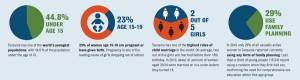
We need to invest in youth; we need to invest in them early; and we need to start now.
This was the message yesterday as the United Nations Population Fund (UNFPA) launched their 2014 State of the World Population: The Power of 1.8 Billion: Adolescents, Youth and the Transformation of the Future report with a panel presentation at the Wilson Center. As one panelist, Chernor Bah of World at School and the Global Youth Education First Initiative, pointed out, this youth cohort—the largest in history—isn’t only the future of development, they’re also the present.
While we often hear about the enormous challenges this cohort of youth faces, we rarely hear any of the positives. The report and the panel made the point loud and clear that this cohort of youth (ages 10 to 24) are not just a “daunting challenge,” but are “the potential architects of a historic transformation in human well-being.”
With 1.8 billion youth in the world, it’s untenable to disregard their health or opinions as the global community moves forward with the post-2015 agenda. Panelists at the report launch emphasized that young people offer a wealth of opportunity in moving health and development goals forward. Not only are they the biggest, but they are also the most informed, the most mobile, and the most engaged of any global youth population in history. Yet they’re not being listened to—possibly because of personal or institutional biases, entrenched thoughts about best practices, or unwillingness to invest.
Especially important is realizing sexual and reproductive health for youth. A lack of reproductive rights can cause early marriage, early childbirth, loss of education, and a multitude of health problems, particularly among “invisible” youth populations such as married adolescent girls, domestic workers, adolescents aged 10-15, and young people in conflict zones. The panel discussed in depth how we as an international development community need to pay attention to the adolescents who have become invisible and are being missed by programs. To remain accountable, we need to make data collection on these groups a priority as we move forward with the post-2015 agenda, and make deliberate investments in these groups.
As yesterday’s panel underscored, the data itself tells a story. This latest UNFPA report is full of data and information about the 1.8 billion young people across the world. Now it is up to us to use the stories this data is telling to advocate for programs and policies that include youth voices, and serve those most in need.