There’s a surprising relationship between sex and alcohol in Guatemala—and no, it’s not what you’re thinking. Since 2004, reproductive health supplies have been paid for by a tax on alcoholic beverages.
How did that happen? The simple answer is advocacy.
The more detailed answer is that Herminia Reyes from the Health Policy Project—along with partner organizations such as the Network of Women for Peace Building (REMUPAZ), and the Alliance of Indigenous Women’s Organizations for Reproductive Health, Nutrition, and Education (ALIANMISAR)—convinced the Guatemalan government to dedicate 15 percent of all taxes collected on alcoholic drinks to reproductive health supplies. It’s an innovative solution to a perennial problem—reproductive health services and supplies losing out among competing public priorities for funding.
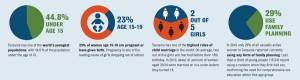
Why were advocates so committed to increasing funding for reproductive health supplies? Guatemala has a maternal mortality ratio of 120 deaths per 100,000 live births—one of the highest in Central America. Twenty-one percent of adolescents in Guatemala are pregnant or already have at least one child and 31 percent of married women in Guatemala want to prevent pregnancy, but lack modern contraception.
With so many women in need, reproductive health advocates were not satisfied with their initial victory. The law had resulted in the creation of a reproductive health supplies budget line, so in 2010, advocates worked with the Ministry of Finance to earmark 30 percent of the reproductive health revenues generated from the tax specifically for contraceptives.
More importantly, they stayed on top of things to make sure the money allocated was actually going where it was supposed to. They found that even though the Ministry of Finance was collecting the tax revenues and transferring them to the Ministry of Health, the Ministry of Health was not living up to its promise to spend the funds on reproductive health supplies. Only some of the money was going to contraceptives and other commodities.
Luckily, with the help of Héctor Antonio Coy, the budget advisor for the Ministry of Public Finances in Guatemala, reproductive health groups were able to put pressure on the Ministry of Health to change this. The first and most important tool at advocates’ disposal was simply transparency: the Ministry of Finance had attached special codes to the funds that come from alcoholic beverages. Advocates could therefore run the codes through the government’s system to track how every dollar was spent. Armed with this information, they successfully increased Ministry of Health expenditures.
The Ministry of Health is now spending 88 percent of the earmarked tax revenues on reproductive health supplies. Reproductive health organizations will continue to push for total expenditure on reproductive health supplies and are prepared to take their case to the health commission in Guatemala’s congress.
Guatemala’s case highlights the critical importance of budget advocacy—tracking the allocation and expenditure of budgets to hold governments accountable. And the challenges faced by advocates in Guatemala are not unique. Advocates in Zambia had to be just as dogged in their quest for the creation of a reproductive health supplies budget line. Like their Guatemalan counterparts, they understand that the key to budget advocacy is follow-up, follow-up, and more follow-up. Commitments are important, but they are not enough.
There is no better test of a government’s commitment to women’s reproductive rights than how much they are willing to spend on advancing them. Luckily, with more innovative partnerships between governments and advocacy organizations like we have seen in Guatemala, talk is becoming a lot less cheap.